A Performing Website: Inbound Links
Of all the factors that affect how well your website performs in search engines, inbound links — links from other websites pointing to yours — are among the most powerful. Here's why they matter and how to earn them.
Links Are Votes of Confidence
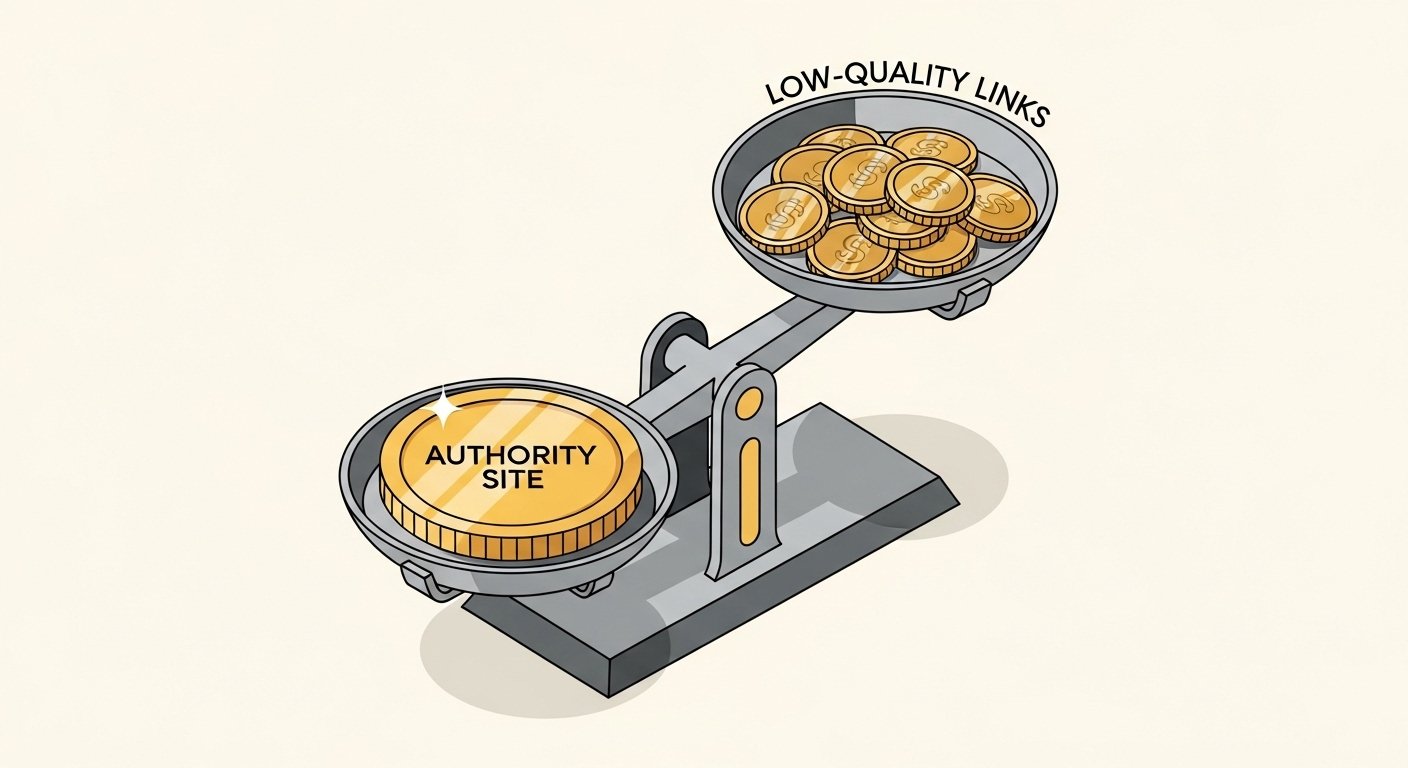
Google's original insight was that if reputable sites link to a page, that page is probably worth reading. Each inbound link is essentially a vote of confidence from another website. Not all votes carry equal weight — a link from an established industry publication is worth far more than a link from a brand-new blog.
Quality Over Quantity
Ten links from relevant, authoritative sources will outperform a hundred links from low-quality sites. And low-quality or spammy links can actively hurt your rankings. Focus on earning links that would make sense on their merits — because a knowledgeable person found your content valuable enough to reference it.
How to Earn Quality Inbound Links
- Create content worth linking to: Detailed guides, original research, useful tools, and well-argued perspectives naturally attract links from other sites that cover related topics.
- Guest posting: Writing articles for other sites in your industry or niche typically includes a bio with a link back to your site.
- Industry directories and associations: Get listed where it makes sense — chamber of commerce, professional associations, industry resource pages.
- Client and partner links: Vendors, collaborators, and clients can often add a link to your site on theirs. These tend to be highly relevant links.
- Reclaim unlinked mentions: Set up a Google Alert for your business name. When someone mentions you without linking, reach out and ask them to add the link.
What to Avoid
Don't buy links from link farms. Don't participate in coordinated link exchanges. Google's algorithm recognizes manipulative link patterns and penalizes them. Build links the right way: earn them through genuine work and relationships.